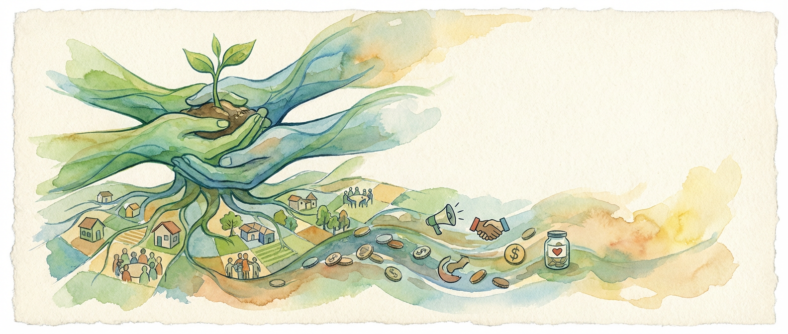
The Art of Community Investment: Lessons from 19th Century America
Picture this: it’s 1850, and your neighbor’s barn just burned down. Within days, the entire community shows up with hammers, nails, and whatever lumber they can spare. No one expects repayment beyond a shared meal and the understanding that when your roof needs fixing, help will come. This wasn’t charity, it was community investment, and it offers us a surprisingly relevant blueprint for modern grassroots political fundraising.
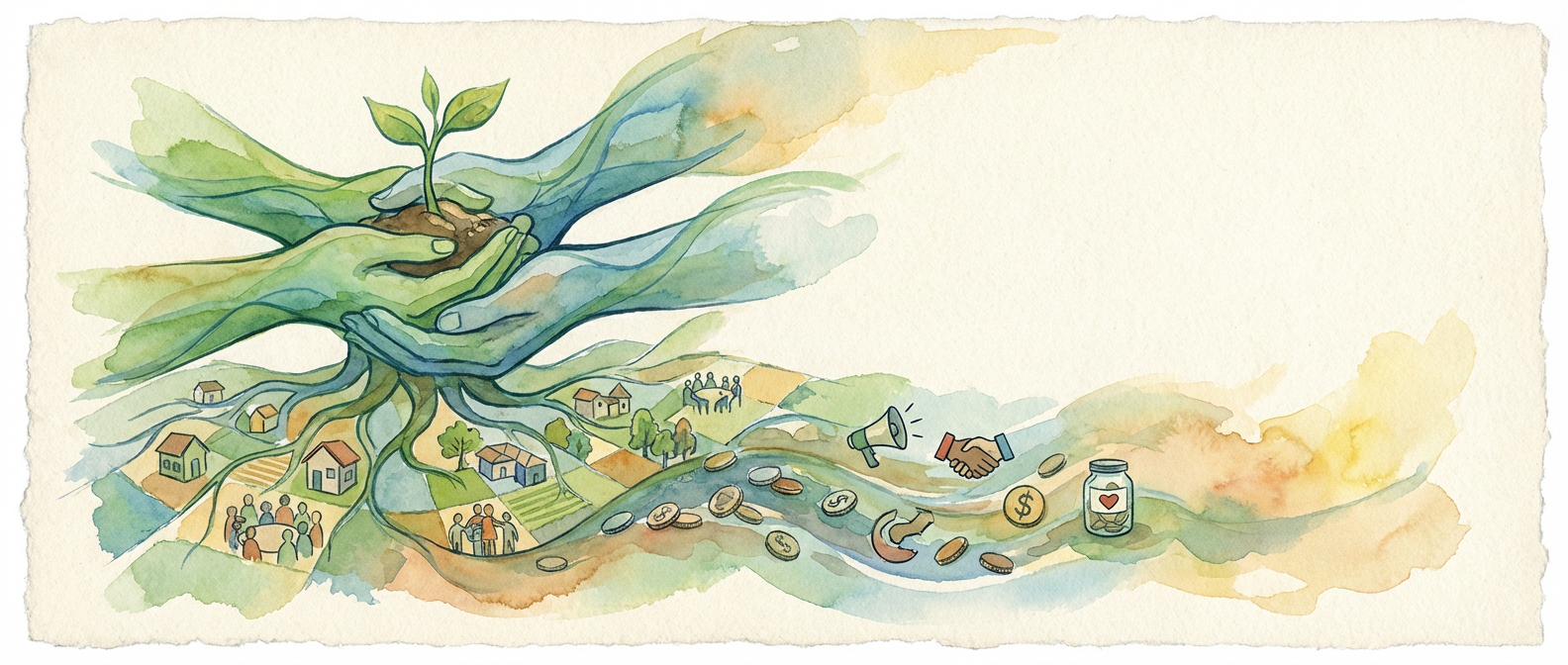
The barn-raising tradition worked because it transformed individual burden into collective opportunity. Neighbors didn’t just contribute labor. They gained social capital, strengthened relationships, and created a support network that benefited everyone. Today’s most successful grassroots campaigns tap into this same psychology, turning political donations from transactional exchanges into community-building exercises.
Consider how Alexandria Ocasio-Cortez’s 2018 primary campaign echoed these principles. Her team didn’t just ask for money, they created a movement where a $5 donation came with membership in something larger. Supporters received regular updates, invitations to volunteer shifts, and most importantly, a sense that their small contribution was part of a collective effort that could actually change things. The campaign raised over $2 million, with an average donation of just $22.

The Subscription Model: Learning from 19th Century Newspapers
Before mass media, local newspapers survived through subscription drives that would make modern fundraisers envious. Publishers didn’t just sell papers, they sold community identity. The weekly subscription fee bought you into local conversations, gave you standing in debates at the general store, and connected you to neighbors who shared your values. Publishers understood that people pay for belonging as much as information.
This model translates beautifully to sustained political engagement. The most effective grassroots campaigns create what I call “subscription democracy,” regular, modest contributions that come with ongoing access to the political process. Monthly recurring donations of $10 or $25 might seem small, but they create predictable revenue streams and, more importantly, ongoing psychological investment from supporters.
Look at how Stacey Abrams built Fair Fight into a powerhouse organization. Rather than relying on big-ticket fundraising events, they developed a membership model where regular supporters contribute monthly amounts and receive detailed updates on voter registration efforts, litigation progress, and policy victories. This approach generated the sustained funding needed for long-term organizing while creating an army of informed advocates.
The key insight from historical newspaper subscriptions is that people will pay regularly for something they see as essential to their community identity. Modern campaigns that frame monthly donations as “democracy subscriptions” or “civic memberships” tap into this same powerful motivation.
The Church Supper Strategy: Building Social Fundraising
Anyone who’s attended a small-town church supper understands intuitively why these events raise more money per person than fancy galas. It’s not the fried chicken, though that helps. It’s because everyone knows everyone else, social pressure works in positive directions, and the event itself demonstrates the community the fundraising supports. People contribute because they see their neighbors contributing, and because the gathering proves that collective action is both possible and enjoyable.
Modern grassroots campaigns can recreate this dynamic without requiring actual church suppers, though those work too. The secret is creating donation opportunities that are inherently social. House parties where neighbors invite neighbors to meet a candidate work because attendees see their friends contributing and want to participate in the shared experience. Online giving campaigns that show donors’ names and comments create virtual versions of the same social proof.
During the 2020 Democratic primary, Pete Buttigieg’s campaign mastered this approach through “friend-to-friend” fundraising. Supporters could create personalized fundraising pages and share them with their networks, complete with personal stories about why they supported the campaign. This wasn’t just about multiplying donation requests, it was about turning individual supporters into community organizers who could speak authentically to their own circles.
The Mutual Aid Society Model: Creating Reciprocal Value
Before social safety nets, working-class communities created mutual aid societies where members paid small monthly dues in exchange for support during illness, unemployment, or family emergencies. These organizations thrived because they offered concrete, reciprocal value. Members weren’t just giving money away, they were investing in their own security and that of their community.
The most sustainable grassroots political fundraising operates on similar principles of reciprocal value. Donors don’t just fund campaigns, they gain access to political education, networking opportunities, and influence over policy priorities. Smart campaigns create donor benefits that strengthen both the individual and the movement.
Take the Working Families Party’s approach to small-dollar fundraising. Donors at different levels receive different forms of engagement: policy briefings with experts, training sessions on local organizing, and opportunities to participate in candidate selection processes. Contributors aren’t just funding someone else’s political activity, they’re investing in their own political education and power.
This model works because it recognizes that people contribute to political campaigns for reasons beyond altruism. They want to feel informed, connected, and effective. Campaigns that provide these experiences alongside funding opportunities create the conditions for long-term engagement and sustained giving.
Making History Work for You
These historical models succeed because they understand something fundamental about human motivation. People contribute most generously when they see clear connections between their actions and meaningful outcomes. When their giving strengthens communities they want to belong to. The most effective modern campaigns don’t just ask for money, they invite people into ongoing relationships that make democracy more accessible, more social, and more rewarding.
The tools have evolved from subscription ledgers to online donation platforms, but the underlying psychology remains constant. Whether you’re running for school board or organizing for policy change, the principles that built barns and funded newspapers can build the grassroots power that makes change possible. The question isn’t whether small-dollar fundraising can work. It’s whether you’re willing to invest in the community-building that makes it sustainable.
What historical models of community cooperation do you see in your own organizing work? I’d love to hear how you’ve adapted these timeless principles to modern political realities.