The Reality Behind the AI Romance Writing Revolution
The hype cycle moves fast enough to give you whiplash, so let me pump the brakes before we talk about what is actually happening here. AI romance novel writers have captured the imagination of aspiring authors everywhere, promising to transform anyone into a bestselling romance novelist overnight. The reality is messier and frankly more interesting than the marketing suggests.
The context shapes everything. This is one of those moments where paying attention pays off. Starting with that context makes the rest land harder.
These tools are a genuine breakthrough in creative writing assistance, but they’re not magic wands that instantly produce publishable novels. Instead, they’re more like sophisticated writing partners that require careful guidance, clear instruction, and realistic expectations. Understanding this will save you weeks of frustration and help you actually use these tools effectively.
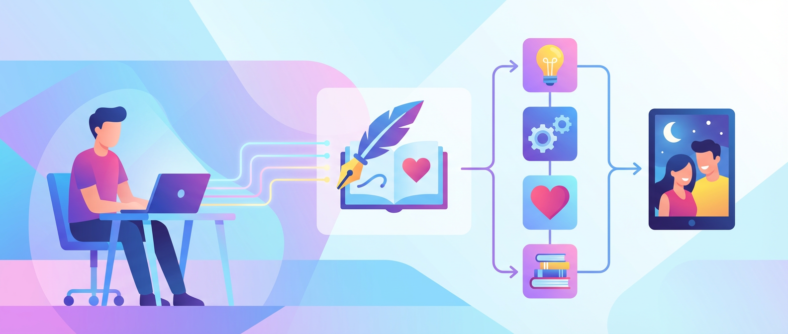
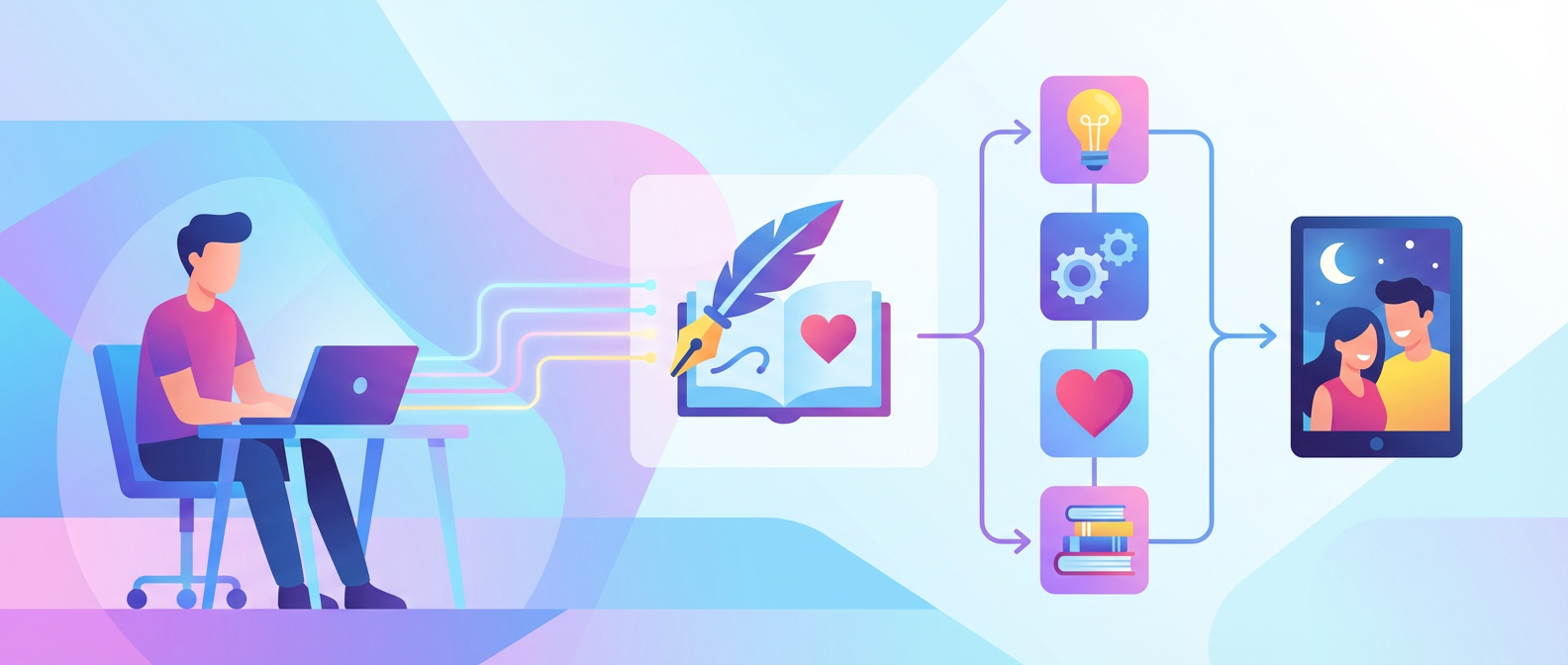
The most successful users approach AI romance writers as collaborators rather than replacement authors. They spend time learning how to craft prompts, develop characters, and plan structure before expecting meaningful results. This prep work separates writers who achieve real success from those who give up after disappointing first attempts.

Foundation Work: Character Development and Story Structure
New users consistently make the same critical error: diving straight into story generation without adequate preparation. The biggest requirement for effective AI romance writing is creating comprehensive character profiles that go far beyond basic demographics. Your AI partner needs to understand not just what your characters look like, but how they think, what drives their decisions, and what emotional wounds shape their romantic journey.
Successful character sheets for AI romance generation include specific details about communication styles, past relationship trauma, core values, and internal contradictions. The AI uses these elements to maintain character consistency throughout lengthy stories and to generate authentic dialogue that reflects each character’s unique voice. Without this foundation, you’ll get wooden characters who feel interchangeable from scene to scene.
Just as important is establishing a clear three-act structure before beginning generation. AI romance writers perform best when provided with detailed structural scaffolding that outlines major plot points, emotional beats, and tension escalation throughout the story. This framework prevents the common problem of meandering middle sections and helps maintain momentum across longer works.
Mastering Romance-Specific Prompt Engineering
Writing effective prompts for romance fiction requires a completely different approach than other genres. Romance novels live and die on emotional authenticity and sexual tension, elements that require explicit instruction rather than AI guesswork. Generic prompts like “write a romantic scene” produce generic results that lack the specificity and heat that romance readers crave.
Effective romance prompting means breaking down each scene into component emotional beats and clearly specifying the desired tension level. Instead of requesting a simple dinner date, successful prompts detail the underlying emotional subtext, the specific romantic obstacles at play, and the precise escalation of attraction between characters. This detailed approach helps the AI understand not just what happens, but why it matters emotionally.
The learning curve for developing these specialized prompting skills typically takes two to four weeks of consistent practice before workflows become truly efficient. During this period, expect to iterate extensively on your prompt formulations, studying which approaches generate the most compelling emotional responses and which fall flat. Tools like Blushing Reader AI romance writer often have prompt templates that can speed up this learning process.
Navigating Heat Levels and Content Preferences
Output quality varies dramatically between different AI romance generators, particularly when it comes to intimate scenes and explicit content. The key difference lies in how precisely you specify heat levels and content boundaries at the start. Vague instructions about “steamy scenes” or “passionate encounters” leave too much interpretation to the AI, often resulting in content that misses your intended target audience.
Successful users develop detailed content guidelines that specify exactly what level of physical intimacy they want included, which acts should remain off-page, and what language choices align with their target market. These specifications should cover everything from fade-to-black preferences to explicit terminology choices. The more specific your parameters, the more consistent and appropriate your generated content becomes.
Remember that different AI tools handle adult content with varying degrees of sophistication and comfort. Research the capabilities and limitations of your chosen platform before investing significant time in a tool that may not align with your content goals. Some platforms excel at sweet, closed-door romance while others handle explicit content more effectively.
Why You Still Need Human Review
Even the most advanced AI romance writers can’t replace basic human elements of the writing process. Beta readers remain absolutely essential for identifying pacing issues, dialogue authenticity problems, and emotional beats that don’t quite land with real human readers. AI-generated romance often struggles with subtle aspects of human interaction that feel natural to readers.
Common issues that require human intervention include repetitive dialogue patterns, inconsistent character voice development, and pacing problems where romantic tension builds too quickly or too slowly. These subtle elements of storytelling benefit enormously from feedback from actual romance readers who can identify when something feels off, even if they can’t articulate exactly why.
Consider connecting with writing communities like NaNoWriMo writing community to find beta readers who understand romance genre conventions. These readers provide invaluable perspective on whether your AI-assisted scenes achieve the emotional impact you’re targeting and help identify areas where additional human polish will elevate your work.
The most successful AI romance writers treat the technology as a powerful first-draft generator rather than a finished product creator. They use AI to overcome blank page syndrome, generate scene variations, and explore different plot directions, then apply human creativity and editorial judgment to refine the output into publishable quality. This collaborative approach uses the strengths of both artificial intelligence and human insight to create compelling romantic fiction.
For writers exploring AI assistance in this space, AI romance novel generator is one to bookmark. It’s purpose-built for the romance and erotica genres rather than adapted from general-purpose tools.
Understanding the mechanism matters as much as knowing the outcome. Find your rep and make the call today.