Category: Blogging

Excuse Me, Did That Robot Just Paint a Picasso?

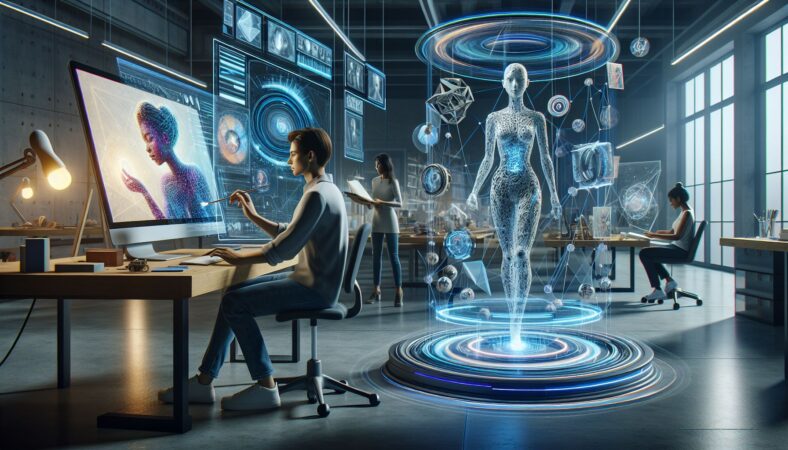
Hello, techno-art aficionados! Welcome back to my humble corner of the internet where we chat about the delightful, exciting, often downright novel intersections of tech and pretty much everything else. Today, it’s all about artificial intelligence (AI) stepping up to the easel. Yes, we’re diving into the heady world of AI in the arts. Can machines create masterpieces? It’s a question straight from sci-fi breakfast convos. So grab a cup of [insert your caffeine fix here] and let’s get into it.

The Dawn of AI-Picassos

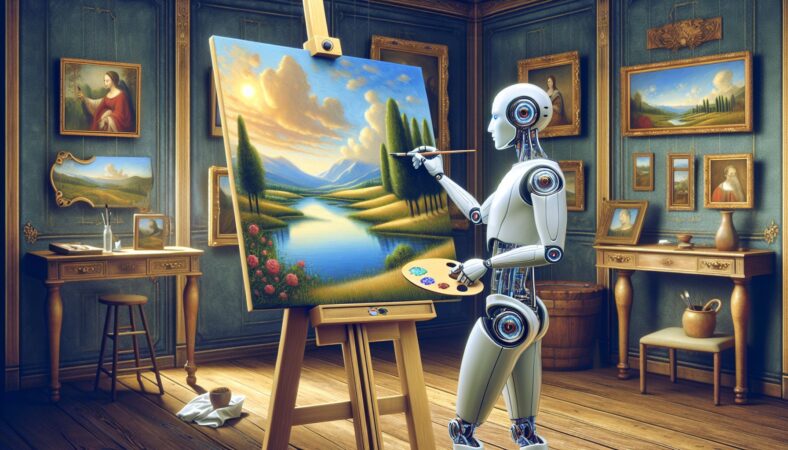
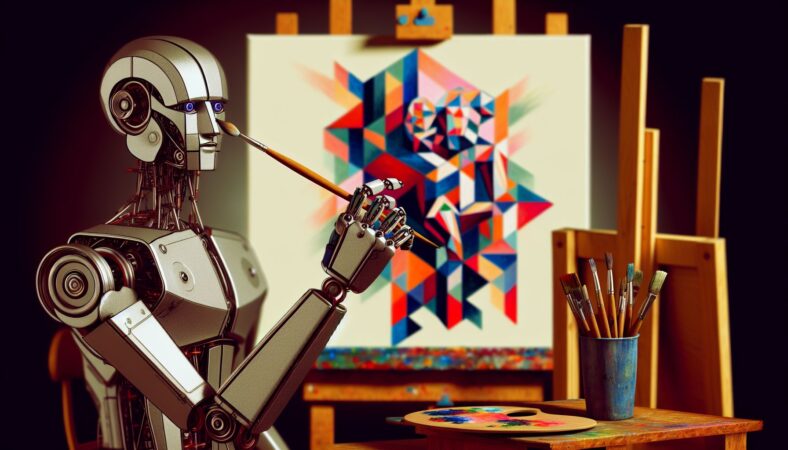
Imagine sitting at your favorite outdoor café, an iced flat white (or maybe kombucha for the health nuts out there) in hand, the day pleasantly warm and your spirit soothed by the hum of city life. On the sidewalk, there’s a fascinating scene: an artist, completely absorbed in their craft. You strain your eyes to get a good look, only to realize… the artist is a robot! An AI-powered machine gently dipping its brush into paint and gracefully moving it across the canvas with a wrist action that rivals any human touch.

“Surely not,” I hear you scoff sneaky-smirk style behind your screens. However, dear readers, I’m not pulling your leg. Ladies and gentlemen of the techno-art world, the AI art revolution is real and it’s happening right now. Rapid advances in AI technology have enabled machines not only to mimic human art but to create their own unique pieces. Hold onto your berets, folks.

Ghost in the Machine: Understanding AI Creativity

Alright, it’s time to dig into the meat (or tofu, for my vegan friends) of the matter. How does AI art actually work? Well, the idea of AI dishing up its own unique Mona Lisa involves what techies call ‘generative processes.’ These include machine learning and (raise a glass for) good ol’ neural networks.

Imagine feeding an AI system such as OpenAI hundreds or even thousands of art pieces—from Renaissance classics to modern abstracts—with the hope that it would digest this buffet of cultural heritage and poop out (sorry, I mean produce) its own interpretations. Sounds mind-boggling, but that’s what AI is doing.

Brushes up, Machines: The Rise of Robot Artists

Enough tech talk! Let’s shine the spotlight on some of the robot artists that have been causing quite a stir recently. Grab your virtual tour passes!

One prime example is Ai-Da, the world’s first AI robot artist. Yep, you read that right, AI-artists are not only pen-names of software programs but are full-fledged, eerily human-like robots now. Ai-Da creates artwork, holds her exhibitions, and has even been compared to the early 20th-century surrealists. According to reports, her art has managed to fetch a whopping $1.25 million in sales!

Another prime player is AICAN, an AI artist developed at Rutgers University’s Art and Artificial Intelligence Lab (that’s a place I’d love to have my office coffee breaks). AICAN has created unique works that even confused art critics in a “human or AI” test.

It’s not all paintbrushes and canvases, though. Have you heard of The Next Rembrandt project? They designed an AI powered by data from the Dutch master’s works to create a new art piece in the style of Rembrandt. The result? So uncannily accurate, it prompted a collective gasp from art critics worldwide.

Quality or Quirk: The Great AI Art Debate

Now, the question on everyone’s (read: mine and yours) lips: Is AI-produced art any good? Well, it’s a bit like asking whether pineapple belongs on pizza. It stirs the pot. Some swoon over the enigmatic quality that AI brings to the artistic table, while others cry foul, stating that art should spring from the human soul, not from a series of 1s and 0s stored in silicon.

Unfortunately, techno-art lovers, there’s no definitive word on this issue yet. But as they say, beauty (or art in this case) is in the eye of the beholder. The whole debate is a mixed bag of colors, just like AI art itself.

Future Brushstrokes: Where Are We Headed?

Looking into my crystal ball (okay, it’s actually a snow-globe from a Canadian tech conference), I see a future where AI and human artists co-exist in a symbiotic relationship. After all, every artist needs a muse, and what better muse can there be than an AI that understands and mimics countless art styles?

AI will likely shift how we think about creation, enabling newer art forms that might just redefine our understanding of art itself. So, my techno-art enthusiasts, buckle up! We’re in for a ride filled with GANs, ghouls, and Van Goghs, all sprinkled with a dash of binary code confetti.

Well, there you have it: a sneak peek into the mesmerizing world of AI in the arts. It’s a world that’s throwing up lots of questions and debates, but it’s all part of the fun. Tomorrow, will we wake up to a Vermeer painted by a robot over breakfast? White bread and artful wonder, anyone? Only time will tell, but it’s sure one heck of an exciting time to be alive in the world of techno-art. Catch you in the next blog post where we’ll demystify another tech-happening. Until then, remember: keep your minds open, and the coffee brewing!
Tech-Partying with AI: The Future of Creative Arts

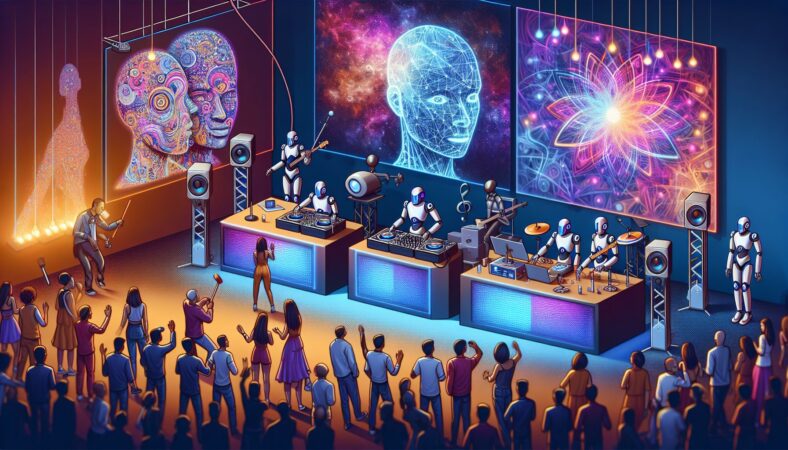
Hi folks! Today, I’m going to dig into a topic that is as contentious as it is captivating: Artificial Intelligence (AI) in the realm of creative arts. Yep, we’re talking about painting, composing, writing, and even crafting poetry, all orchestrated by our silicon-brained companions. I mean, who’d have thought?

Making a Mona Lisa Smile: AI in Fine Arts

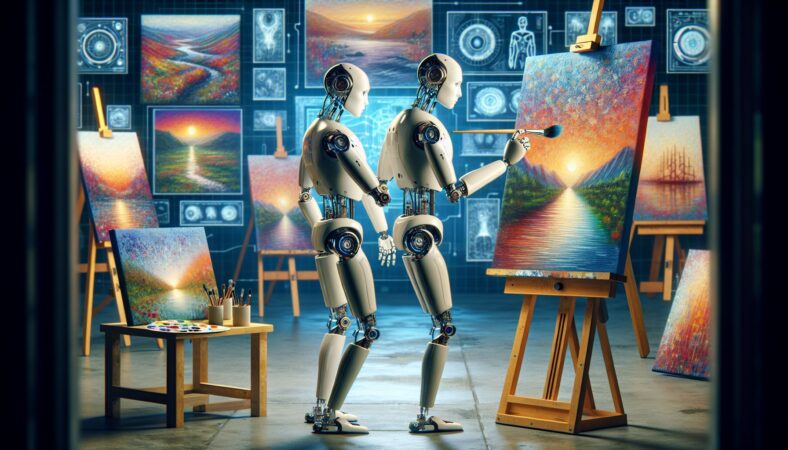
First, let’s kick things off with some AI-created art. Remember the $432,500-worth artwork auctioned at Christie’s, the one created by an AI called GAN (Generative Adversarial Network)? That certainly got our jaws dropping! AI is starting to create compelling artwork, diving into a world that was formerly the bastion of human emotive expression. They’re not just splashing random colors around either. These AI artists learn from thousands of classic and contemporary works, creating pieces that make art connoisseurs do a double take.

But, let’s not get our paintbrushes in a knot. Do AI-created paintings mean the end of human-created art? Not a chance. Art’s not just about the end product. It’s also about the process and the emotional journey of creating something “beautiful”.

Building an AI Beethoven: AI in Music

Now, let’s hit some high notes with AI in music. Companies like OpenAI are showing off their AI’s musical prowess, with creations ranging from classical pieces to contemporary pop. I’ve had a listen myself, and let me tell you, it’s pretty darn groovy. Given enough data, AI can even generate new tracks in the style of individual artists. Prepare yourself for the AI-produced Beatles reunion album, folks.

That said, I bet Lennon and McCartney aren’t quaking in their boots. While AI algorithms can rattle off catchy rhythms and hummable harmonies, they miss out on the visceral, profound connection between the artist and their creation. The ‘love’, ‘loss’, and ‘longing’ in a song aren’t something that an AI can yet comprehend.

Crafting an AI Coelho: AI in Writing

Imagine sitting down with a cup of Joe, reading a novel penned by an AI. Seems way too sci-fi, right? Nope, my friend, it’s already happening. AI models like GPT-3 from OpenAI are churning out essays, blogs, and even poetry. I’ve got to admit, they’re a bit better at keeping typos in check than yours truly.

But before we all start crying about the death of the author, remember this: AI can analyze patterns and mimic styles, but it can’t empathize with human experiences or derive subjective insights. Human writers bring their unique perspectives and life experiences to the table, something an AI doesn’t have…yet.

Future Outlook: More of a Collaboration, Less of a Competition

So, what’s the future looking like? Are we staring down the barrel of an AI art apocalypse? Far from it. We’re more likely looking at a future of collaboration between human creativity and AI capabilities. Just as we saw technology enhance traditional art forms through digital art, AI can be another tool in an artist’s toolkit, helping us push the boundaries of creativity.

It’s similar to how the advent of photography didn’t extinguish painting. Rather, it pushed artists to explore more abstract and conceptual ideas, giving birth to movements like Impressionism and Cubism. AI in creative arts could lead to a similar artistic revolution, opening up exciting, unforeseen possibilities.

Wrapping It Up

Art evolves with technology, and AI is the latest player in this ongoing dance. Even though AI can currently mimic established styles and patterns (and fairly well at that), it still has a long way to go before it can understand and replicate the emotional depths and creative process inherent to human artistry.

And that’s where the beauty lies! We could be standing on the cusp of a creative revolution, where AI isn’t the adversary but more of a collaborator or muse.

But enough of my rambling! What are your thoughts on all this? Are you excited or terrified at the prospect of AI venturing into creative arts? Whatever it may be, I’d love to hear your take. Until then, let’s keep riding this tech wave, Gavin+Coffee style! Giddy up, tech cowboys and cowgirls!

#ARTIFICIAL INTELLIGENCE & CREATIVE ARTS: THE NEW RENAISSANCE

Good morning, fellow technophiles! Today, I want to share my thoughts on something that’s genuinely changing our world: how Artificial Intelligence and the arts are coming together. Now, before you roll your eyes, thinking, “Oh great, another post about robots doing human stuff,” let me assure you this isn’t your typical AI story. It’s something different, something exciting, dare I say, a new Renaissance.

THE UNEXPECTED ALLIANCE

The term ‘Artificial Intelligence’ usually brings to mind images of self-driving cars, predictive algorithms, and automated customer service. But over the last few years, innovators have been asking a fresh question: “What if we could teach AI to be expressive, to capture those subtle qualities that make us human?” We aren’t talking about replacing Picasso or Mozart here. We’re exploring how AI can contribute to the creative process.

It started with simple tasks: color correction in photography, background noise reduction in music, movie recommendations on Netflix. But, to quote Jeff Goldblum in Jurassic Park, “Life, uh, finds a way.” AI found a way into the creative arena. AI-generated music, AI-painted art, even AI-written stories!

Before we explore this brave, and sometimes strange new world, let’s have a bit of a history lesson.

AI IN ART: A BRIEF HISTORY

Ironically, the journey of AI in art began with chess (not what you’d call a traditionally ‘artistic’ pursuit). When IBM’s Deep Blue defeated world champion Garry Kasparov in 1997, it had a real impact. People realized AI wasn’t just about crunching data, it could strategize, it could ‘think.’ Shortly after, experiments began in weaving AI into various art forms.

In 2012, Google’s DeepDream started generating psychedelic images that look bizarrely similar to Salvador Dali’s paintings. In 2016, a team led by Mohammed Elgendi developed an AI that could analyze and understand a novel’s plot. More recently, OpenAI’s MuseNet can generate 4-minute musical compositions with 10 different instruments, spanning diverse styles.

THE FUTURE OF AI IN ART

So, what about the future? If current developments are any indication, AI will greatly expand our creative capabilities. But rest assured, creatives, your jobs are safe. AI isn’t about replacing artists but enhancing their potential.

AI’s contribution to creativity is about making the impossible possible. Imagine a filmmaker being able to generate custom scores on-the-spot during shooting to test different emotional impacts. Or a painter having an AI assistant that could suggest the best colors to capture the late afternoon sunlight.

CONCERNS AND CHALLENGES

Of course, no great revolution comes without its challenges and concerns. Art requires a deep understanding of human emotions. Can machines ever truly capture that? And what about authorship? If an artist uses an AI to generate a masterpiece, who’s the real creator?

There’s also a risk that AI could lead to boring, cookie-cutter art. If AI takes over parts of the creative process and artists start relying heavily on it, we might lose the individuality and surprises that make art worth experiencing.

WHAT DOES THIS MEAN TO US?

Change is the only constant, and this union of AI in the creative arts is simply part of our evolution. If the first Renaissance was about rediscovering the art and values of the ancients to fuel a cultural rebirth, this new Renaissance is about using technology to push creative boundaries. It’s about fluid collaboration between humans and machines, to express our emotions in innovative, thrilling ways.

So, hang on tight, my friends, as this continues to unfold. Our brave new world might have more than a few surprises in store!

Until next time, keep dreaming at the intersection of art and technology!

Unlocking Longevity: The Quest for the Fountain of Youth Through Technology

Ahoy there, fellow tech enthusiasts and wistful immortals! Today we are going to dip our toes into the limitless pool of regenerative science and explore the tech that promises to unlock the key to longevity. Because who among us hasn’t dreamed of having more time?

Now, I promise not to go fully “Philip K. Dick” on you (remember, he’s the genius who dreamt up “Do Androids Dream of Electric Sheep?” that eventually became the film, Blade Runner). But, as we explore this emerging area of tech, prepare yourself to face some startling, mind-bending, and honestly pretty wild facts. And maybe, just maybe, we’ll discover how close we are to reprogramming our biological clocks in the ambitious quest for longer, healthier lives.

The Current State of Longevity Innovation

We are living through some serious biomedical breakthroughs right now. Google’s Calico Labs, Unity Biotechnology, and the SENS Research Foundation are all working on innovative ways to fight aging. Yes, folks, Silicon Valley is throwing serious money at the quest for biological immortality.

Take Calico Labs, Google’s own longevity research company, for instance. They’ve partnered with biotech giant AbbVie and committed $2.5 billion to research and develop drugs that target age-related diseases like Alzheimer’s and cancer. That’s not pocket change.

Then you have Dr. Aubrey de Grey and the SENS Research Foundation. They’re conducting research into what Dr. de Grey calls “Strategies for Engineered Negligible Senescence”. The goal? Stop the aging process by repairing the damage it causes before it leads to deadly illnesses. Bold doesn’t even begin to cover it.

The Role of Genetics & CRISPR in the Longevity Quest

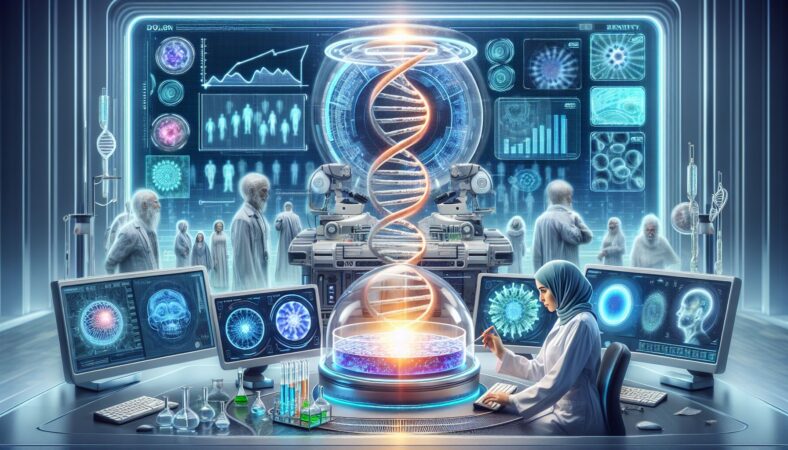
A huge chunk of longevity research focuses on cracking the codes buried in our DNA. Enter CRISPR, the genetic editing technology that’s changing everything. This tech lets scientists modify genes within organisms quickly and precisely. The possibilities are honestly staggering.

Ever heard of Elizabeth Parrish? She’s the CEO of BioViva, a company focused on gene therapy for cellular repair. Here’s the kicker: she became the first human being to undergo telomerase gene therapy as part of her quest to reverse aging. Are we playing God or just playing smart? I’m not sure anyone knows yet, and only time will tell us about the long-term effects of these treatments.

The Integration of AI in Unlocking Extended Lifespan

Artificial Intelligence is like having a superpower in the longevity game. It can spot patterns and connections that humans miss entirely. Insilico Medicine, a Baltimore-based startup, used AI to develop a compound that might slow down cellular aging. They used GANs (Generative Adversarial Networks) to create potential longevity drugs in just 46 days. And it passed animal trials successfully!

Even Elon Musk is in on this with Neuralink, his startup that wants to merge the human brain with AI. Talk about a wild mix of sci-fi and reality hitting us all at once.

The Ethical Question – Should We Strive for Longer Life?

While the thought of extending human life is pretty appealing (more time to binge-watch Netflix, right?), it does raise some serious ethical questions. There’s overpopulation to consider, the potential for massive economic inequality, and the fundamental question of whether we should mess with the natural order of life and death.

Yet, as a species, we’ve always sought to improve, grow, and push the boundaries of what’s possible. And if we’re honest with ourselves, isn’t the pursuit of a longer, healthier life just another expression of those basic human drives? I think it is, but I also think we need to be careful about how we get there.

Cool, But What’s Next?

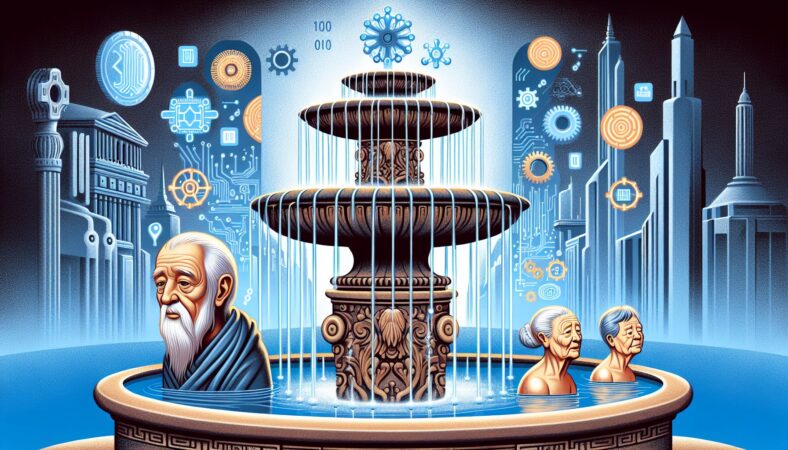
So, are we on the brink of sipping from a fountain of perpetual youthfulness or is this all just far-fetched sci-fi nonsense? As I sit here typing on my aging 2021 MacBook Pro, I can’t help but feel that the reality lies somewhere in between.

But here’s what I know for sure: the progress we’re making in longevity tech is absolutely massive. It’s easy to see why. The possibility of added years of good health is incredibly tempting, both personally and as a business opportunity.

Sure, there will be hurdles, and there will be setbacks. Probably some spectacular failures too. But humans are a stubborn bunch. And if there’s one thing we excel at, it’s pushing boundaries until they break. So, stay tuned because the future of longevity is unfolding faster than most of us realize. I’m definitely along for this wild ride.

Artificial Intelligence and the Renaissance of Creative Arts

Hello tech comrades!

I just can’t contain my excitement these days and don’t ask me why. Okay, go on, ask me why. Because, my friend, we are living in the golden age of Artificial Intelligence (AI) and it’s transforming everything, including our beloved sector, the creative arts. Kinda intriguing, right?

Let’s take a look today into this world where AI meets the creative arts. Brace yourself, Dorothy. We aren’t in Kansas anymore.

The Dawn of Artistic AI

Admit it. We’ve all doodled in the margins of our notebooks back in school, thinking we’re the Leonardo da Vinci of our time. Plot twist: we weren’t. But guess who could soon become the da Vinci of the AI age? Our one and only pal, AI. Yes, AI’s getting mighty creative these days, playing around with painting, music, writing, and other artistic fields. Companies like OpenAI are extending breakthroughs in technology to touch creativity, producing jaw-dropping results.

Remember when an AI-crafted painting “Portrait of Edmond de Belamy” auctioned for a whopping $432,500 at Christie’s? Or when OpenAI’s MuseNet composed a symphony that sounded as though it were from Mozart himself, only… it wasn’t? These are no mere stunts, but signals of a new chapter in the creative arts.

Dystopian Fears vs Utopian Dreams

Reading this far, you might be picturing a dystopian future where robots overrun artists, stealing their jobs while churning out mass-produced, soulless art. Take a breath, and allow me to paint a different picture, one of possibility and collaboration.

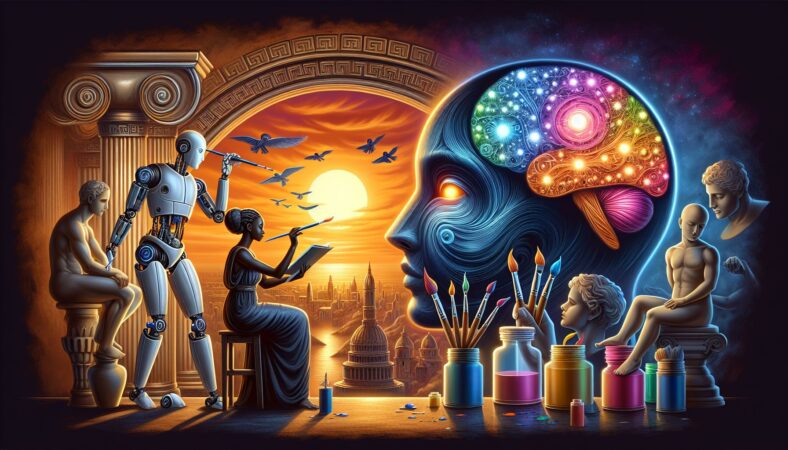
Think of AI as a tool in the hands of artists. An intelligent brush that brings along the depth of a million paintings. A pen infused with the creative wisdom of countless authors. With AI, artists can push their boundaries, explore unprecedented horizons and pull off masterpieces impossible by human hands alone. As for our job security, let’s remember that tools enhance our capabilities, they don’t replace us.

Implications and Challenges

The implications of this AI-art infusion are massive. AI could democratize art, allowing creativity to flourish beyond the traditional artist circles. It could create an art form that’s a perfect blend of human emotions and machine precision, offering a new perspective to our aesthetic senses.

While this is hugely exciting, it ain’t no walk in the park. There are valid challenges we need to tackle. We have to address issues surrounding copyrights and originality. If an AI creates an artwork, who owns it, the code, the coder or the AI? And how do we make sure that AI helps creativity instead of restricting it by creating generic or repetitive art forms? There’s plenty to figure out.

Future Outlook: AI Picasso in the Making?

Where do we head from here? I’d like to imagine a future where AI aids artists, creating a fusion art form that amplifies the beauty of human creativity. A future where you could create your personal AI-assistant, feeding it your creative preferences and letting it generate personalized masterpieces for your eyes only.

However, like any other technology in its infancy, AI’s journey in the creative arts will be as thrilling as it is unpredictable. For all we know, the next Picasso could be an algorithm.

But for now, let’s enjoy the show as the boundaries between art and science blur, wrapping us in a shroud of beautiful uncertainty.

So, that’s that, folks! Our crazy, exciting tour through the world of AI-invaded arts. And remember, this isn’t some science fiction fantasy. It’s happening all around us. AI is tapping into its inner Picasso, and it’s high time we welcomed this new member to our creative family.

Until next time, folks, keep exploring! What we’re seeing now is just the beginning, and honestly, I have no idea where it’s all heading!

Harnessing Longevity: The Next Frontier in Biotech Innovation

Hola, tech enthusiasts! Today, we’re diving into a realm that sounds more like the plot of a science-fiction movie than a tech-based reality. We’re talking about longevity biotechnology, the fusion of technology and medical science that aims to extend human life. This emerging field might completely upend how we think about life, aging, and death. So, let’s dive in.

What is Longevity Biotech?

Biotech longevity, or bio-hacking, is a research area focused on slowing down, halting, or potentially reversing the aging process. Researchers use recent technological advances like artificial intelligence and machine learning to develop treatments for diseases we typically see in older adults.

The Ethics of Longevity Biotech

The moral and ethical debates will probably continue for years, but here’s what we can’t ignore: the longevity industry is exploding. A Bank of America report predicts the sector could hit $600 billion by 2025. If this stuff actually works, we’re looking at dramatically longer lifespans and a complete rethinking of what aging means. Plus, we might finally tackle the suffering that comes with age-related diseases. But like any disruptive technology, we need to ask hard questions as we move forward. Are we creating something that benefits everyone, or just the wealthy few?

Artificial Intelligence in Longevity Research

AI and biotech make for an interesting combination, especially when it comes to longevity research. Deep learning algorithms can predict someone’s biological age based on their gene expression or methylation status. AI also helps design new drugs, making treatments more personalized and effective.

Take Insilico Medicine, a biotech company that used machine learning to design a new drug in just 46 days. That’s a process that usually takes years. Their technology analyzes massive amounts of data, spots patterns, and predicts outcomes. It’s opening doors for anti-aging research that we couldn’t imagine before.

The Rise of Longevity Start-ups

Silicon Valley is buzzing with longevity-focused start-ups, and tech giants like Jeff Bezos and Peter Thiel are throwing serious money at them. Calico Labs, backed by Google, wants to “devise interventions that slow aging and counteract age‑related diseases.”

Human Longevity Inc. takes a different approach. They map genomes of older people to figure out why some age slower than others. UNITY Biotechnology focuses on cellular senescence, a process where cells lose their ability to divide and function properly as we age. Their research might “halt, slow, or reverse age-associated diseases.”

A Fourth Industrial Revolution?

If longevity treatments become widely available, we might be looking at a Fourth Industrial Revolution. Think about it: if people live significantly longer, healthier lives, everything changes. Education, work, retirement, healthcare. The whole framework shifts. Longer working lives could mean massive economic growth and higher global GDP. But it also raises uncomfortable questions about resources, inequality, and what society even looks like.

Debunking the Utopian Dream

Here’s the reality check: even the most enthusiastic longevity researchers admit we’re nowhere near a ‘Fountain of Youth.’ There’s no single cure for aging because it’s incredibly complex, involving multiple biological pathways that we’re still trying to understand. Technology can definitely help us live longer, but we need to be realistic about the timeline and challenges ahead.

Conclusion: The Future of Longevity Biotech

The future of longevity biotech is both exciting and terrifying. If this technology delivers on its promises, it will completely change our relationship with life, age, disease, and death. The field is still in its early stages, but the combination of AI, machine learning, and massive investment suggests we’ll see real progress in the coming years.

But we need to be smart about this. Ethical considerations and societal implications should drive any longevity advances. We need to ensure this technology promotes justice, fairness, and benefits society as a whole. Until then, keep taking those multi-vitamins!

Watching different sectors merge to promise us longer, healthier lives is wild. We’re standing at the edge of something that blurs the lines between mortality and science. It’s both thrilling and a little scary. Buckle up, because this ride is just getting started.

Boosting Longevity: Tech Now Holds the Fabled Fountain of Youth?

Hello tech enthusiasts! Today we’re departing from our usual topics on blockchain, AI, and tech startups to explore what might be the most ambitious frontier yet: longevity. Recently, the tech industry has become obsessed with extending human lifespan, which honestly makes perfect sense given our track record of tackling impossible problems. Longevity science is trying to hack our biological clocks. The question isn’t really whether we want a few extra healthy years, but whether we can actually pull it off. Let’s look at how modern technology is making real progress in this space.

Introduction: Aging – The Final Frontier

We’ve all felt time catching up with us. Aging used to be one of those unchangeable facts of life, like gravity or bad WiFi at conferences. But 21st-century technology is starting to challenge that assumption in ways that would have seemed ridiculous just decades ago.

The logic is pretty straightforward: to solve aging, we need to understand it first. Like debugging complex code, breaking it down into manageable components helps. Scientists have identified nine “hallmarks” or pillars of aging, including genomic instability, telomere attrition, and stem cell exhaustion. The idea is that if we can address these different pieces, we might actually slow down the whole process.

But how? This is where tech comes into play!

Bioinformatics Revolution: De-mystifying The Human Body

Bioinformatics, where IT meets biology, has exploded recently. The ability to crunch massive biological datasets using machine learning and AI has created opportunities in longevity research that didn’t exist before.

AI processes huge genomics datasets and spots patterns and biomarkers related to aging that humans would miss. Deep learning algorithms can identify potential drugs for age-related diseases, essentially attacking aging from the side rather than head-on.

Startups like Insilico Medicine and BioAge Labs are using AI and bioinformatics to completely rethink how we approach aging. Their goal? Finding ways to tackle those nine hallmarks of aging I mentioned earlier.

The Omics Invasion: Cutting-Edge Biomolecular Data

The rise of ‘omics technologies (genomics, proteomics, metabolomics, and so on) is giving us new ways to look at health and aging. By going deeper into our genome, proteome, and metabolome, we’re uncovering insights into how aging actually works.

Take epigenetic clocks, for example. These are biological clocks based on DNA methylation patterns. They work as aging biomarkers, measuring how fast someone is aging biologically rather than chronologically. This could lead to personalized health metrics and interventions that might actually extend lifespan.

Genomic analysis platforms like 10x Genomics and Illumina are helping us understand the genetic basis of aging. The more we figure out, the closer we get to designing real solutions for age-related conditions.

Tackling the Aging Process Head-On: Senolytics

A more direct approach involves senolytic drugs, medications designed to kill senescent (or “zombie”) cells that contribute to aging and related diseases. Unity Biotechnology is leading this charge, developing medicines that selectively destroy these problematic cells. The goal is improving healthspan and potentially extending lifespan.

Conclusion: A Brave New World of Longevity Tech

Controlling our biological clocks might still sound like science fiction, but tech advances are bringing us closer to that reality faster than most people realize.

AI and bioinformatics are helping us understand aging in ways we never could before. Startups are turning this knowledge into actual anti-aging treatments. The ‘omics revolution is changing how we think about individual health and aging, while senolytics directly targets the cells that drive age-related diseases.

Longevity tech is still early stage, but it’s becoming the next major tech frontier. We’re at a point where science fiction is starting to meet reality, where aging might become something we can actually control rather than just accept.

Is this the fountain of youth? I honestly don’t know yet. But the progress is real, and it’s happening faster than I expected. Here’s to healthier and longer lives!

This article only scratches the surface of what’s happening in longevity research. In the coming weeks, I’ll dig deeper into specific areas, exploring how AI is changing aging research, which startups are making real breakthroughs, and what discoveries might be coming next. Stay tuned!

The Synergy of Art and Artificial Intelligence: A New Dawn for Creatives

In our hyper-connected, tech-saturated world, nothing stays the same for long, especially the arts. Art and technology are colliding in ways that are creating entirely new forms of expression, and artificial intelligence is driving most of this change.

The Progress of AI in Art

It started with basic sketch suggestions and simple automated drawings, but now AI is seriously trying to become the next Picasso. Generative Adversarial Networks (GANs) have gotten so good at creating sophisticated portraits that you can’t always tell if a human or machine made them. You probably heard about that AI-generated piece that sold for $432,500 at Christie’s auction house.

The combination of art and AI goes way beyond making pretty pictures. We’re watching AI completely change how creative work gets done, birth entirely new art forms, and force us to rethink what creativity even means.

DeepArt, DeepDream, DALL·E: The Vanguard of AI in Art

Tools like DeepArt and DeepDream let anyone transform their photos into art that mimics famous painters’ styles. The results can be weird, surreal, and surprisingly beautiful. It’s proof that creativity isn’t some humans-only club anymore.

Then OpenAI dropped DALL·E, an AI that creates images from text descriptions, and everything changed. This wasn’t just copying existing art anymore. AI was making original, compelling pieces that dive into abstract and surreal territory that even human artists struggle with.

The AI Artist – Unleashing Boundless Creativity

Here’s where things get heated: can AI actually be creative? Critics say no way. AI doesn’t have human emotions, life experiences, or that gut instinct that real artists rely on.

But honestly? AI has shown some pretty convincing creativity. It’s not just copying old artworks or mimicking styles. It’s generating new patterns, themes, and visual stories that feel genuinely original.

That said, I don’t think AI will replace human artists. Think of it more like another brush in the toolkit. Artists can use AI to create stuff that would have been impossible to imagine just twenty years ago.

The Future of Art in the Age of AI

Here’s where things get messy: copyright and ownership. If an AI creates artwork, who actually owns it? The AI itself? The programmer who built it? The person who typed in the prompt? Our legal system isn’t ready for these questions, but we’re going to have to figure it out fast.

Even with these complicated issues, I’m optimistic about where this is headed. AI is opening up incredible opportunities for artists and giving them entirely new ways to express their creativity.

Plus, AI is making art accessible to everyone. You don’t need a fine arts degree or expensive supplies anymore. As these tools get easier to use, we might be looking at a future where anyone can be an artist, where everyone has a way to express their creativity.

Conclusion

Artificial Intelligence is definitely changing art. It’s pushing creativity into new territory, creating art forms we’ve never seen before, and making art creation accessible to everyone. AI is painting itself into the art world, and we’re watching a new artistic revolution unfold. Sure, there are challenges to work through, but the potential here is incredible.

The question isn’t whether machines can make art anymore. It’s how AI will redefine what art means in our digital age and change how we think about creativity itself. The combination of art and artificial intelligence opens up possibilities that will reshape not just the art world, but how we understand creativity and expression. We’re waking up to a world where art comes from both human minds and the artificial intelligence we’ve created.

How Artificial Intelligence is Shaping the Future of Creatives and Artwork

Today, I want to talk about something that’s been making waves in the creative world: artificial intelligence and how it’s changing everything we thought we knew about making art. AI isn’t some far-off sci-fi fantasy anymore. It’s here, it’s real, and it’s already working its way into everything from hospitals to banks. Now it’s knocking on the door of artists’ studios.

AI as the New Artist – Setting the Scene

Art and technology have always danced together, sometimes stepping on each other’s toes, sometimes moving in perfect harmony. But AI has changed the music entirely. We’ve got algorithms that can actually mimic human creativity now. It’s wild when you think about it. What does it even mean to be an artist when machines can paint and compose?

Deconstructing Creativity – the AI perspective

Here’s where it gets interesting. Some people insist creativity belongs to humans alone. But I’ve seen what AI can do, and honestly? It’s pretty impressive. Machine learning algorithms can study thousands of paintings, songs, or poems, find the patterns, and create something new from all that data. We’re talking about machines that compose symphonies, paint portraits, write poetry, and yes, even write movie scripts.

Take Google’s DeepDream, for example. It creates these trippy, psychedelic images that look like something out of a fever dream. Then there’s AIVA (Artificial Intelligence Virtual Artist), which composes classical music for movies and video games by studying Mozart, Beethoven, and other masters. The results are genuinely beautiful.

Impact and Applications in the Artistic World

The thing is, AI is doing two things at once in the art world. First, it’s giving artists a powerful new tool. Think of it like getting a really sophisticated paintbrush that can suggest colors you never would have thought of. It can spark ideas and push artists into unexplored territory.

But here’s what really gets me excited: AI is making art accessible to everyone. You don’t need years of training to create something beautiful anymore. There are platforms where anyone can design posters, compose music, or write stories with AI assistance. That opens up so many possibilities for new types of art that blend different disciplines.

Of course, it’s not all smooth sailing. We’re dealing with some serious questions about copyright, authenticity, and what happens to human creativity when machines can do similar work. These aren’t easy problems to solve.

The Future of AI in Creativity – A Dystopian or Utopian Outlook?

So where does this all lead? I keep hearing people ask whether AI will replace human artists entirely. Honestly, I don’t think that’s the right question. The better question is how we can work together.

I’m optimistic about this. Machines are incredible at processing information and finding patterns, but they can’t feel heartbreak or experience joy the way humans do. They don’t have personal stories or emotional baggage that drives great art. What we might see is collaboration where AI handles the technical heavy lifting while humans bring the soul.

The key is treating AI as a creative partner, not a replacement. When we do that, we keep what makes human art special while exploring what technology can add to the mix.

Wrapping Up: AI and Art – A Dance of Possibilities

Watching AI enter the creative world has been fascinating. It’s one of those moments where you realize technology isn’t just changing how we work, it’s changing how we think about creativity itself.

Are we witnessing the birth of a completely new era in art history? Maybe. What I do know is that the combination of human creativity and artificial intelligence is producing things I never expected to see. As someone who loves both art and technology, I can’t wait to see what comes next. The dance is just getting started.

How To Read Auto Insurance Reviews And Find The Cheapest Rate

When searching for auto insurance, you’ll come across tons of different insurance companies and reviews. But here’s the thing: not all of them are worth your time. Many reviews are just marketing fluff disguised as honest feedback, often pumped out by competing agencies trying to make themselves look good.

Most auto insurance companies work pretty much the same way. They focus on new drivers and offer basic coverage. They set your rates based on your driving history, age, where you live, and in some states, your gender and marital status. If you’re an older driver with sketchy credit, you’re probably out of luck for specialized coverage. These companies basically guess what kind of risk you are and price accordingly.

But there’s something else you need to pay attention to: how happy their actual customers are. Did the company deliver when people needed them? Do they actually reward good drivers with real discounts? Are their prices competitive, or are they just claiming to be? If they’re not taking care of drivers who have clean records and good credit, why would they treat you any better?

Let me give you some examples of what I mean. I’ve seen reviews where people talk about the discounts different companies offer, but the details get murky fast. One woman wrote about how she didn’t get any discounts even though her teenage son managed to score cheaper rates through some mobile app. She said the only time it worked was with something called a “pool” plan that gives discounts if you use their app. Her review was pretty vague about what discounts were actually available though.

Another review mentioned that drivers who sign up for programs with in-network providers might not get discounts for driving fewer miles. That’s frustrating if you’re someone who barely drives. If you’re looking at these kinds of plans, you better double-check whether you actually qualify for the discount. Otherwise, you could end up paying more than you should. Some companies push their mobile apps and offer discounts for using them to get quotes, but sometimes these are just temporary promotions to get people signed up.

Here’s what it really comes down to: you need to compare prices yourself. The cheapest auto insurance reviews might give you some rate information, but they won’t tell you the whole story about what companies actually offer. If you want the best deal, you’ll need to do the legwork. Get at least three quotes and really look at what you’re getting before you pick the cheapest one.

I get it, price matters a lot when you’re buying insurance. But there are other things to think about too. Most people don’t file claims every month, so you want a company that will be there when you actually need them. Many insurance companies have customer satisfaction programs to keep people coming back. If they reward good behavior with real discounts, you’ll probably stick around.

The good news is there are ways to figure out which companies offer the best coverage for the least money. Customer satisfaction studies usually don’t factor in discounts, they just compare different types of coverage by price. If you find a review where the pricing information seems off or incomplete, start digging into what discounts are actually available instead.https://www.youtube.com/embed/AlvWiAxke04

How to Buy the Best Garbage Disposal

Shopping for a garbage disposal? You’re not alone. More homeowners are realizing how much easier kitchen cleanup becomes when you can just flip a switch and grind away food scraps. But with so many options out there, picking the right one isn’t as simple as it sounds.

I’ve seen people get excited about products like the Glisten Cleaning Disposer because it comes with cleaning solutions that help keep your pipes clear. This particular unit tackles those nasty food stains and grease buildups that love to hide in your drain pipes. The cleaning products work pretty well at preventing clogs, which honestly saves you from some really unpleasant plumbing situations down the road. Just make sure whatever you buy uses quality materials – you don’t want this thing falling apart after six months.

Here’s something people don’t think about enough: capacity matters more than you’d expect. The bigger your disposal’s grinding chamber, the more food waste it can handle at once. Trust me, there’s nothing more annoying than having to feed scraps in tiny portions because your disposal can’t keep up. Look for something that can handle your household’s typical meal cleanup without making you stand there for ten minutes.

Controls might seem like a minor detail, but they’re not. You want something straightforward that won’t confuse anyone in your family. Some newer models let you adjust the container height or set time limits, which can be handy. But honestly? Simple and reliable beats fancy and complicated every time.

Let’s talk durability because this is where a lot of people get burned. Your disposal lives under your sink, dealing with water, food particles, and whatever else gets thrown at it. Cheap materials will corrode or break faster than you’d think. Spend a little more upfront for something built to last – you’ll thank yourself later when you’re not calling a plumber.

Safety features aren’t just marketing fluff. Good disposals have mechanisms to prevent jams, overheating, and other problems that could damage your plumbing or hurt someone. Look for units with reset buttons, overload protection, and guards that keep fingers away from the grinding mechanisms. Your family’s safety is worth way more than saving a few bucks.

With all the different models available, choosing can feel overwhelming. I get it. But if you focus on what really matters, the decision becomes much clearer.

To find the best garbage disposal for your situation, start with these practical considerations. They’ll help you cut through the marketing hype and find something that actually works for your home and budget.

First things first: think about your actual needs. How much food waste does your household generate? A family of five needs something completely different than a couple who rarely cooks at home.

Second, be realistic about what you’ll be grinding up. If you cook a lot of fresh meals, you’ll have vegetable peels, small bones, and other tough scraps. Make sure your disposal can handle that kind of workload without constantly jamming.

Third, measure the space under your sink before you buy anything. Some disposals are surprisingly bulky, and you don’t want to discover it won’t fit after you’ve already bought it. Factor in your plumbing setup too – sometimes retrofitting gets more complicated than expected.

Fourth, don’t skimp on safety features, especially if you have kids around. Look for units that won’t start accidentally and have good protection against electrical issues. The last thing you want is a kitchen accident because you chose the cheapest option available.

No Credit Check Secured Credit Cards

If you’ve never had credit before and really want to start using credit cards, secured credit cards with no credit check might be your best bet. These cards work for people who can make their monthly payments on time. Since you put down a deposit upfront, the card company doesn’t need to run a credit check – your deposit acts as collateral and typically determines your credit limit.

You can qualify for this type of card in a few different ways. Students can usually get approved for a one-year term. If you’re a non-custodial parent with decent credit, you can also apply for a one-year card.

As long as you’re working and handle your credit card payments responsibly, you should be able to get a no credit check secured credit cards. Your deposit covers your monthly payments, and the percentage you pay each month gets deducted from your balance. The interest rate depends on your credit history, but it’ll be way lower than what you’d face with bad credit.

Having a card that skips the credit check comes with some real advantages. The money you use for monthly payments goes straight to the card company, not into your bank account. This setup means you can actually afford your monthly bills without maxing out your accounts, since your bank can’t just take the money back.

When you use your credit card the right way, you’ll only need to make one initial payment. You won’t stress about all those monthly payments you’ve been making. This type of card can actually save you money. But here’s the catch – if you carry a balance, you’ll pay higher interest since the card company is the one fronting the money for your interest payments each month.

A no credit check secured card gives you all the perks of a regular credit card without the usual risks. Got credit problems? You don’t have to worry about maxing out your account. Bad credit history? You can start using a card without paying off old debt first. You get to begin with the same amount you deposited, but don’t expect any additional credit beyond that.

How you pay off the card is totally your call. You can pay your full balance every month, or chip away at it slowly over several years until you’re debt-free. The payments come straight out of your checking account each month. This way, you can pay it down without getting hit with extra interest and fees.

The whole process works just like any other credit card, except nobody’s checking your credit history. You get all the benefits without paying interest on credit you already have. Honestly, a no credit check secured credit card makes perfect sense for anyone with no credit history who wants to start building their credit profile.